
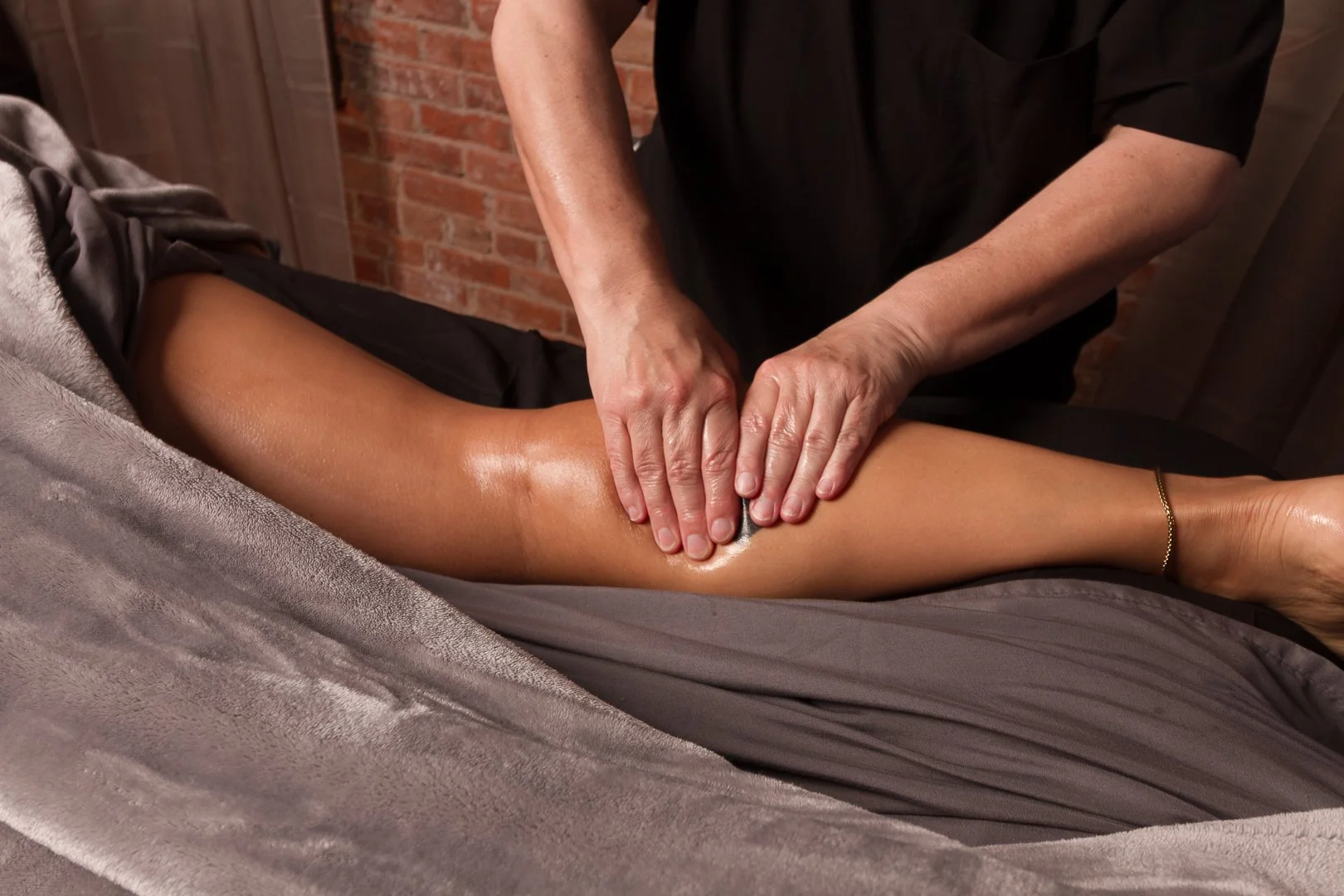
Massage Therapy for Pain Relief in Spokane
Back Pain. Neck & Shoulder Pain. Headaches.
You Don't Have to Live Like This.
You've been living with discomfort for too long. At Heavens Touch, I use 35+ years of experience to get to the root of your pain, not just mask the symptoms.
Why Your Pain Isn't Going Away
(And What Actually Works)
Here's the truth: most pain isn't just about one sore muscle. It's about compensation patterns — when one area hurts, your body shifts to protect it, which creates tension somewhere else. That shoulder pain? It might be starting in your hips. That persistent headache? Could be coming from your neck and jaw.
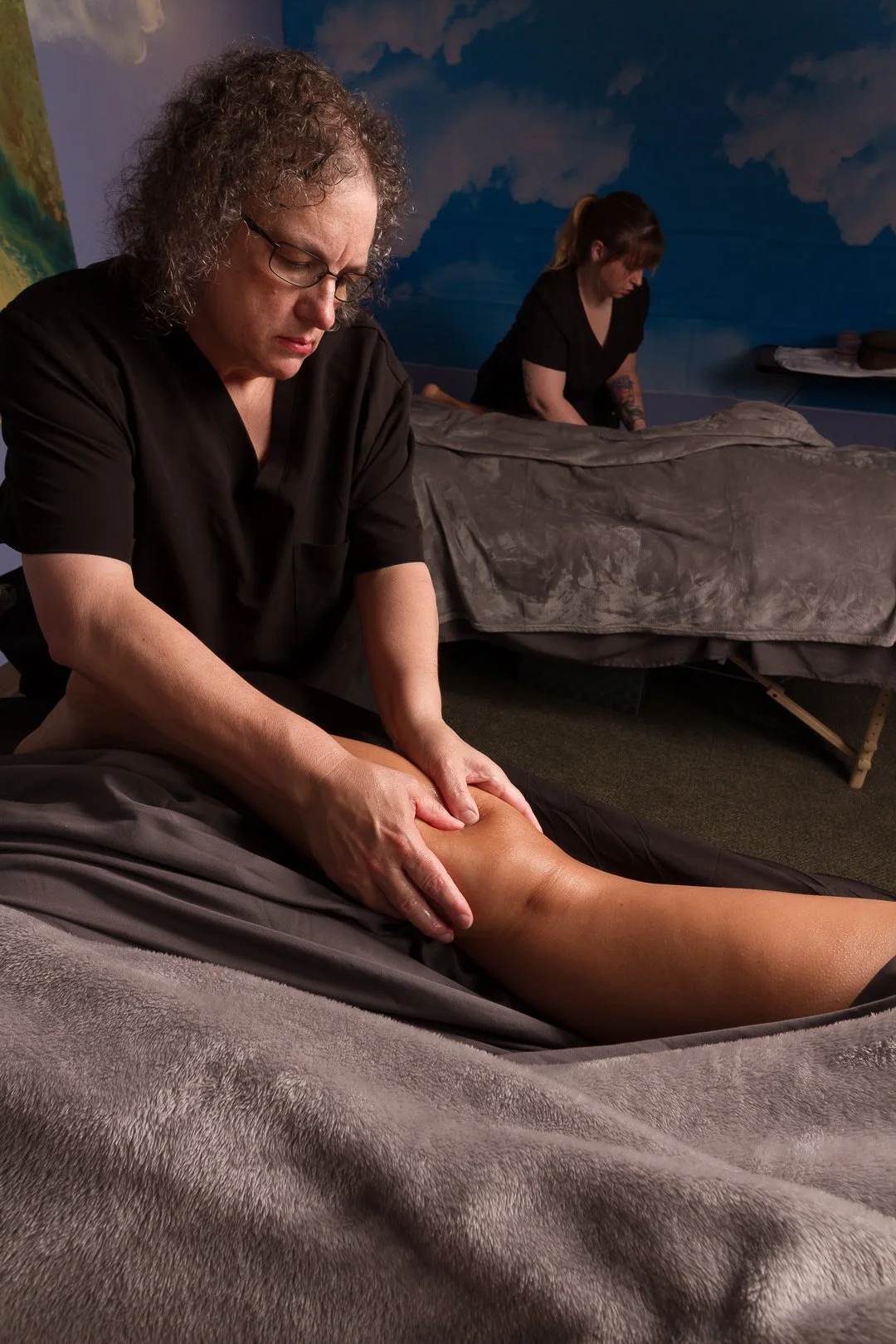
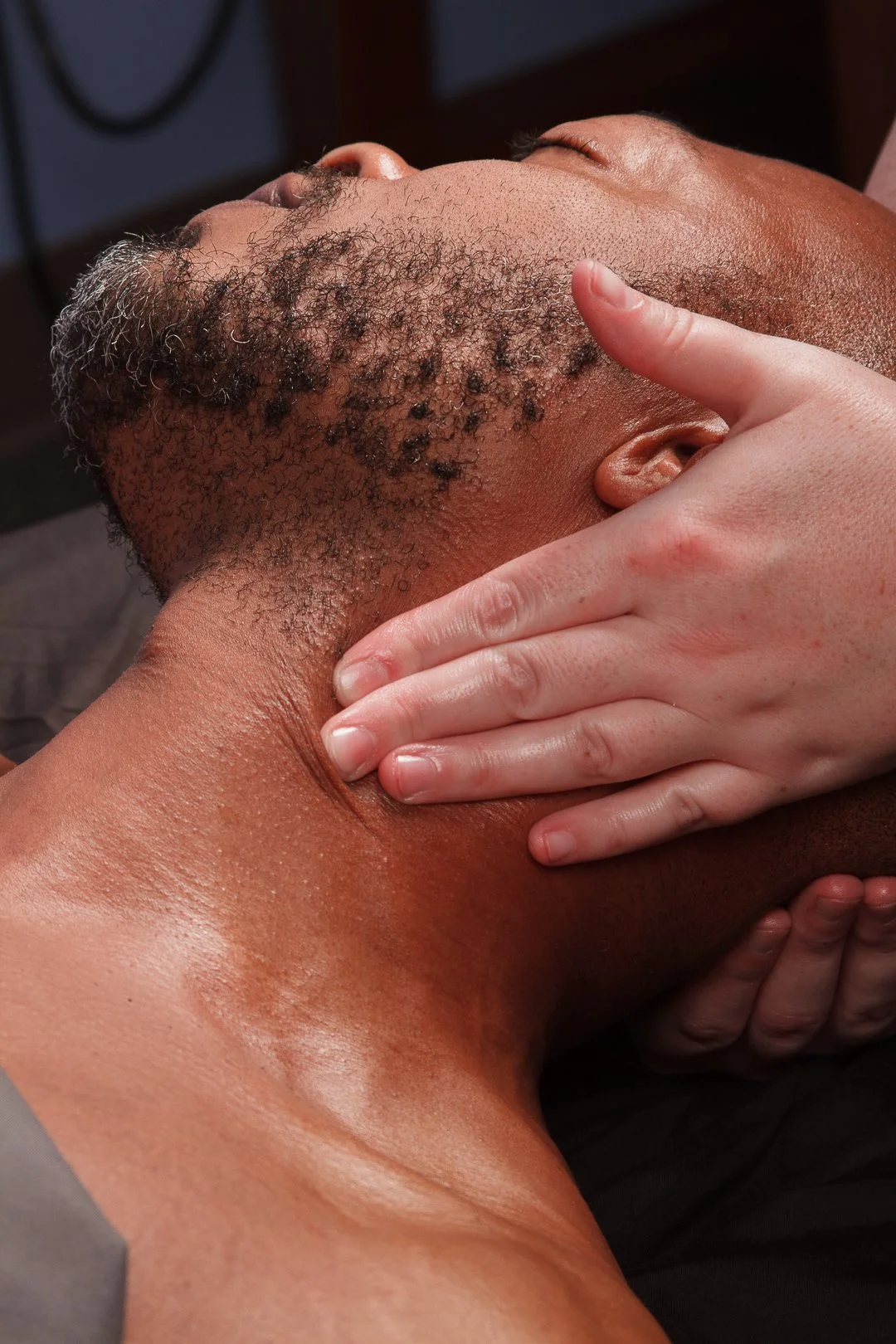
Surface-level massage feels nice, but it doesn't address the deeper layers where chronic tension lives. That's where therapeutic massage comes in. Using deep tissue techniques, trigger point therapy, and myofascial release, I work strategically to break up adhesions, release chronic holding patterns, and restore proper movement.
How
Therapeutic
Massage
Helps
✓ Targets the Source
Not just where it hurts — where the problem actually starts.
✓ Restores Mobility
Get back to moving freely without constant stiffness.
✓ Breaks the Pain Cycle
Stop the compensation patterns that keep pain coming back.
What Brings People to Heavens Touch for Pain Relief
Chronic Back Pain
Whether it's lower back pain from sitting all day or upper back tension from stress, targeted therapeutic work addresses the muscle imbalances causing your discomfort.
Post-Surgery Recovery
Working alongside your healthcare team, medical massage can improve circulation, reduce scar tissue, and support your healing process.
Neck & Shoulder Pain
Tech neck, desk posture, and stress create stubborn knots in your neck and shoulders. Deep tissue massage and trigger point therapy release these chronic holding patterns.
Sciatica & Nerve Pain
When tight muscles compress nerves (like the sciatic nerve), targeted release work can reduce radiating pain and numbness.
Tension Headaches & Migraines
Many headaches start in tight neck, jaw, and shoulder muscles. Therapeutic massage can reduce frequency and intensity by addressing the muscular triggers.
Fibromyalgia & Chronic Conditions
Gentle-but-effective therapeutic work can help manage widespread pain and improve quality of life for chronic conditions.
Sports Injuries & Repetitive Strain
From runner's knee to rotator cuff issues, sports massage helps speed recovery, reduce inflammation, and prevent re-injury.
Repetitive Strain Injuries
Carpal tunnel, tennis elbow, and other overuse injuries respond well to targeted massage and myofascial work.
What We Use: Therapeutic Techniques That Work
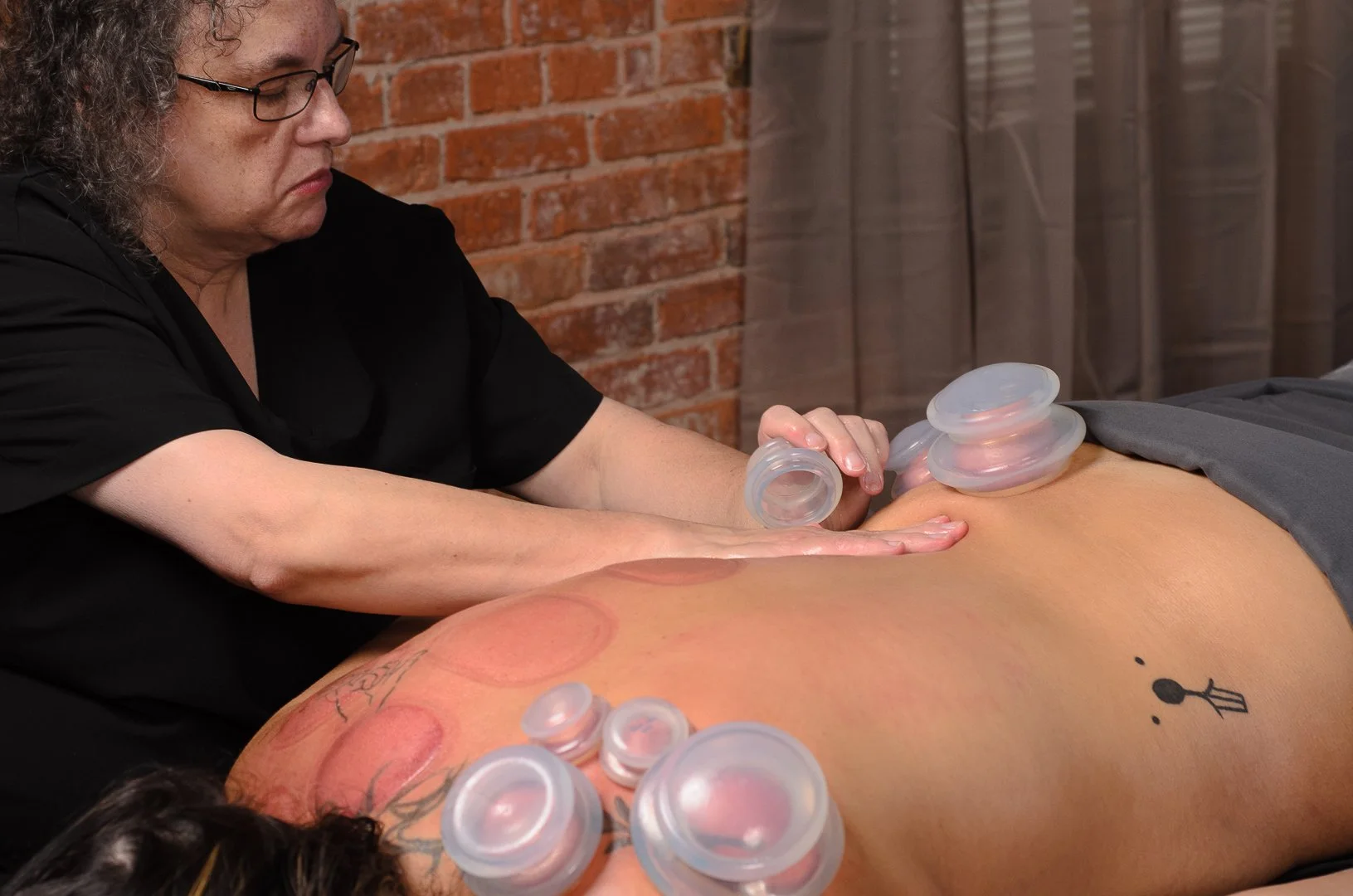
Every session is customized to address your specific pain points. I draw from multiple modalities to create the treatment your body needs today.
Relaxation Massage
Sometimes pain relief requires allowing your nervous system to calm down. Gentle, flowing Swedish massage techniques reduce stress hormones, lower blood pressure, and help break the stress-pain cycle.
Deep Tissue Massage
Slow, deliberate strokes with deep pressure target the deeper layers of muscle and fascia. This isn't just "pressing harder" — it's strategic work that releases chronic tension.
Trigger Point Therapy
Those knots you feel? They're trigger points — hyper-irritable spots in tight muscle bands. Direct pressure releases them and often provides immediate relief.
Myofascial Release
Fascia is the connective tissue wrapping your muscles. When it gets tight or adhered, it restricts movement and causes pain. Myofascial release gently stretches and releases this tissue.
Medical Massage
When you're working with a doctor, physical therapist, or chiropractor, medical massage follows their treatment plan to support your recovery.
Sports Massage
Focused work for athletes and active people — targeting specific muscle groups involved in your sport or activity to improve performance and prevent injury.
How Pain Relief Sessions Are Different
If you've never had a massage before, check out my About page for a complete first-visit walkthrough. But here's what makes a pain-focused session different from a relaxation massage:
What's Different About Pain Relief Work:
More Detailed Intake We'll spend extra time understanding your pain history: when it started, what makes it worse, what you've already tried, and how it's affecting your daily life. This isn't just small talk—it helps me identify root causes and compensation patterns.
Movement Assessment I may ask you to do simple movements (bend, twist, reach) to see where restrictions and imbalances are. Your body's movement patterns tell a story about why pain persists.
Strategic, Focused Approach Rather than a full-body relaxation session, pain-focused work zeroes in on problem areas and the surrounding muscles contributing to your discomfort. You might spend 30+ minutes on one area if that's where the issue lives.
Therapeutic Pressure The pressure will be deeper and more targeted than relaxation massage. You'll feel intensity—that "hurts so good" sensation—but you should never be bracing or holding your breath. I check in periodically to make sure the pressure is therapeutic, not harmful.
Treatment Planning Discussion After your session, I'll give you honest feedback about what I found, recommend a treatment frequency (weekly, bi-weekly, monthly), and suggest self-care between sessions. If I don't think massage is the right solution, I'll tell you and may recommend other providers.
Important: "You're always in control. If pressure is too much, say so. If you need a break, ask. This is collaborative work, not something done to you."
Let's Talk About
Pressure & Pain
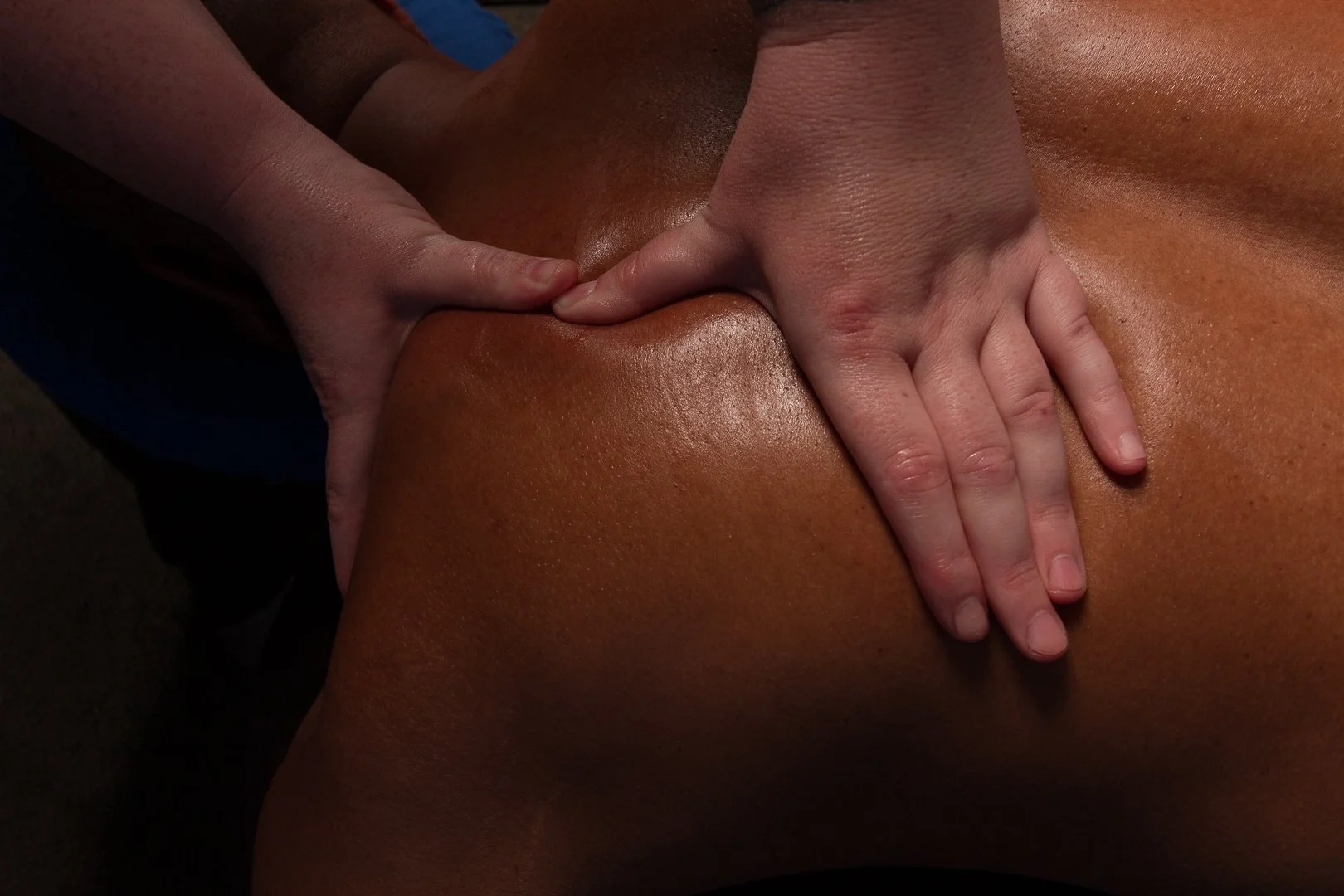
Deep tissue and trigger point work involves therapeutic intensity - you'll feel it working. But there's a difference between productive discomfort and harmful pain, and I'm skilled at knowing where that line is.
For a detailed discussion about what to expect with pressure and how we'll work together, check out my About page where I break down therapeutic discomfort vs pain.
What You Might Feel:
During: Intense but tolerable pressure, some tender spots, occasional "hurts so good" sensations
After (24-48 hours): Possible soreness similar to post-workout muscle fatigue
Long-term: Reduced pain, improved mobility, less frequent flare-ups
Creating a Treatment Plan That Works
The truth is: one massage probably won't fix chronic pain that's been building for months or years. Consistency matters. Here's what I typically recommend:
Acute Injury or Severe Pain:
Weekly sessions for 4-6 weeks
Goal: Break the pain cycle, restore mobility, prevent compensation patterns
Then transition to maintenance
Chronic Pain or Ongoing Management:
Bi-weekly (every 2 weeks) for 2-3 months
Goal: Retrain muscles, build lasting relief, reduce frequency of flare-ups
Then transition to monthly maintenance
Maintenance & Prevention:
Monthly sessions
Goal: Keep pain from coming back, address issues before they become chronic
Perfect for people managing conditions or staying ahead of stress
That said, I'll never pressure you into a schedule you can't afford or don't need. I'll give you my honest recommendation, and you decide what works for your life and budget.
Common Questions About Therapeutic Massage
-
No! The earlier you address pain, the easier it is to treat. Chronic pain that's been building for years takes longer to resolve than tension you've had for a few weeks. Don't wait.
-
Not required, but welcome. If you're working with a healthcare provider, I'm happy to coordinate care and follow their treatment recommendations.
-
I do not bill insurance directly. However, I can provide a detailed receipt that you can submit to your insurance company for possible reimbursement if your plan covers massage therapy. Contact your insurance provider to check your specific coverage and requirements.
-
I'll be honest with you. If after a few sessions I don't see progress, I'll tell you and may recommend seeing a doctor, physical therapist, or other specialist. My goal is your wellbeing, not keeping you on the table indefinitely.
-
Absolutely. Massage therapy works beautifully alongside other treatments. Many clients see their PT or chiropractor and also get regular massage for best results.
Still have questions? Give us a call at (509) 844-1036
You've Been in Pain Long Enough
Chronic pain doesn't go away on its own — but with the right approach, it doesn't have to control your life. I have 35 years of experience helping people find lasting relief. Let's figure out what your body needs.